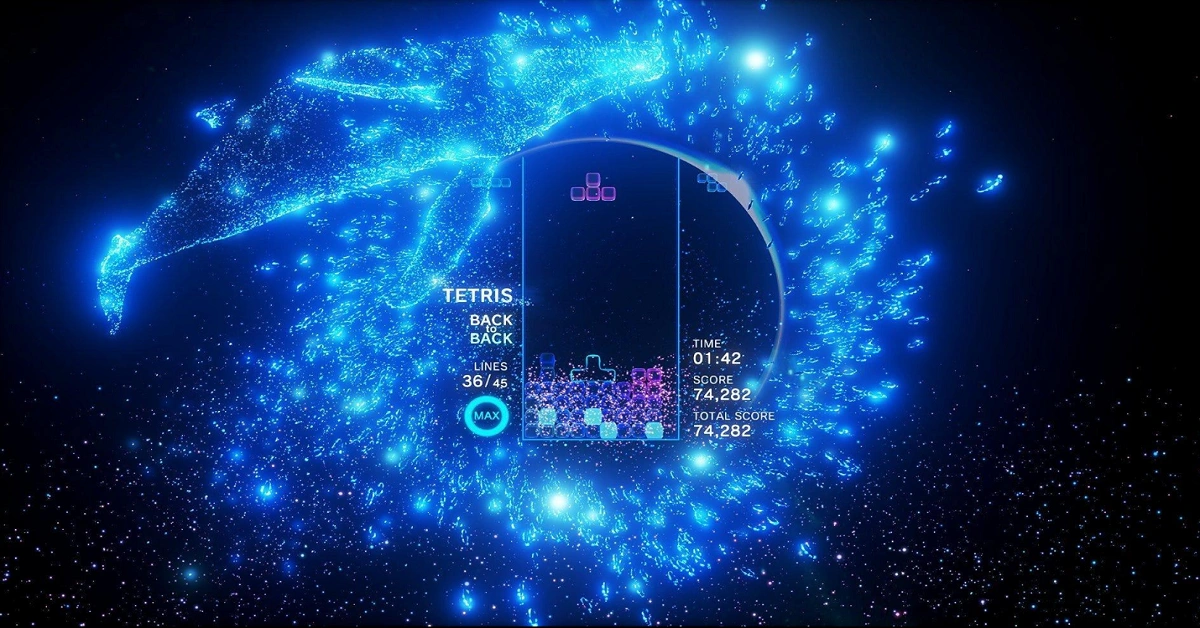
Gaming harmonicode is an emerging development philosophy that blends structured programming, system harmony, and player-centric design into a unified coding approach. Instead of writing code that simply “works,” developers using gaming harmonicode focus on how systems interact rhythmically, how data flows smoothly, and how gameplay mechanics respond naturally.
In today’s game development landscape, where performance, immersion, and scalability matter more than ever, Gaming provides a framework that helps developers build smarter and cleaner systems from the ground up.
Simply put, gaming is about writing code that behaves like music—each part synchronized, purposeful, and contributing to the whole experience.
The Philosophy Behind Gaming Harmonicode
At its core, gaming harmonicode treats a game not as a collection of scripts, but as an ecosystem of interacting components. Every animation trigger, AI decision, physics event, and UI response must exist in harmony.
This philosophy emphasizes:
- Logical symmetry between systems
- Predictable and maintainable code structure
- Balanced communication between modules
- Reduced redundancy and conflict
When applied correctly, gaming creates games that feel responsive, alive, and technically stable.
Why Gaming Harmonicode Matters in Modern Development
Modern games are complex. They involve AI, physics, networking, graphics pipelines, UI layers, and persistent data. Without harmony, these systems clash, causing bugs, lag, and unpredictable behavior.
Gaming harmonicode matters because it:
- Reduces technical debt
- Improves performance
- Enhances player experience
- Simplifies debugging
- Speeds up team collaboration
Relationship Between Code and Player Experience
Players don’t see your code, but they feel its consequences. Laggy inputs, delayed animations, and AI glitches often come from poor system harmony. Gaming harmonicode ensures smooth interactions that players perceive as quality.
Performance and Optimization Benefits
Because gaming reduces unnecessary calls and chaotic data flow, it significantly improves performance, especially in open-world and multiplayer games.
Core Principles of Gaming Harmonicode
Gaming harmonicode rests on three primary pillars.
Modular Logic Design
Each system works independently yet connects cleanly. This modularity allows developers to reuse components without breaking harmony.
Event Synchronization
Timing is crucial. Events must trigger in coordinated order, avoiding overlaps and race conditions.
Data Harmony
Clean, predictable data flow ensures systems communicate efficiently without redundancy.
Gaming Harmonicode in Popular Game Engines
Gaming harmonicode is not tied to one tool. It can be implemented in most modern engines.
Unity Implementation
In Unity, developers apply gaming through structured C# scripts, event systems, and component-based architecture.
Learn more at:
Unity Official Website
Unreal Engine Blueprint & C++
In Unreal Engine, gaming harmonicode shines through Blueprint visual scripting combined with C++ modularity, ensuring synchronized systems and clean data channels.
Benefits for Indie Developers and AAA Studios
Gaming harmonicode is incredibly scalable.
| Developer Type | Benefits |
|---|---|
| Indie Developers | Faster development, fewer bugs |
| Mid-Size Teams | Easier collaboration |
| AAA Studios | Scalable architecture, performance stability |
Because gaming harmonicode reduces code chaos, teams of any size can manage large projects with fewer conflicts.
How Gaming Harmonicode Improves AI Behavior
AI systems often fail because of poor synchronization with game states. Gaming harmonicode ensures AI reacts in real time to environment changes through structured event chains and data flow.
This leads to:
- Smarter NPC decisions
- Natural enemy behavior
- Reduced AI bugs
Role in Multiplayer and Networking Systems
Multiplayer games demand perfect synchronization. Gaming harmonicode helps developers design network events that align with gameplay events, minimizing desync issues.
Key improvements include:
- Stable server-client communication
- Predictable event ordering
- Efficient state replication
Common Mistakes When Applying Gaming Harmonicode
Developers often misunderstand gaming harmonicode as just “clean code.” However, common mistakes include:
- Over-engineering modularity
- Ignoring event timing
- Poor data structuring
- Mixing responsibilities across scripts
Avoiding these ensures true harmony.
Step-by-Step Approach to Applying Gaming Harmonicode
- Map all game systems
- Define clear module responsibilities
- Create event flow diagrams
- Structure data channels
- Test synchronization under load
- Refactor continuously
Future of Gaming Harmonicode
As games become more AI-driven and network-dependent, gaming harmonicode will become essential. Procedural generation, cloud gaming, and live service models all benefit from harmonic system design.
FAQs About Gaming Harmonicode
1. Is gaming harmonicode a programming language?
No, gaming harmonicode is a development philosophy, not a language.
2. Can beginners use gaming harmonicode?
Yes. In fact, beginners benefit greatly by learning structured harmony early.
3. Does gaming harmonicode improve performance?
Absolutely. Cleaner synchronization reduces overhead and lag.
4. Is gaming only for large games?
No. Even small indie games gain stability and clarity.
5. How is gaming different from clean coding?
Clean code focuses on readability; gaming focuses on system harmony.
6. Can gaming harmonicode help with multiplayer desync issues?
Yes. Proper event alignment is one of its strongest benefits.
Conclusion
Gaming harmonicode represents a powerful shift in how developers approach game architecture. By focusing on harmony between systems, timing, and data flow, developers can create games that are more stable, immersive, and scalable.
As the industry advances, gaming harmonicode is no longer optional—it’s becoming a foundational skill for modern game creators.